Grunter - Banded
Banded Grunter
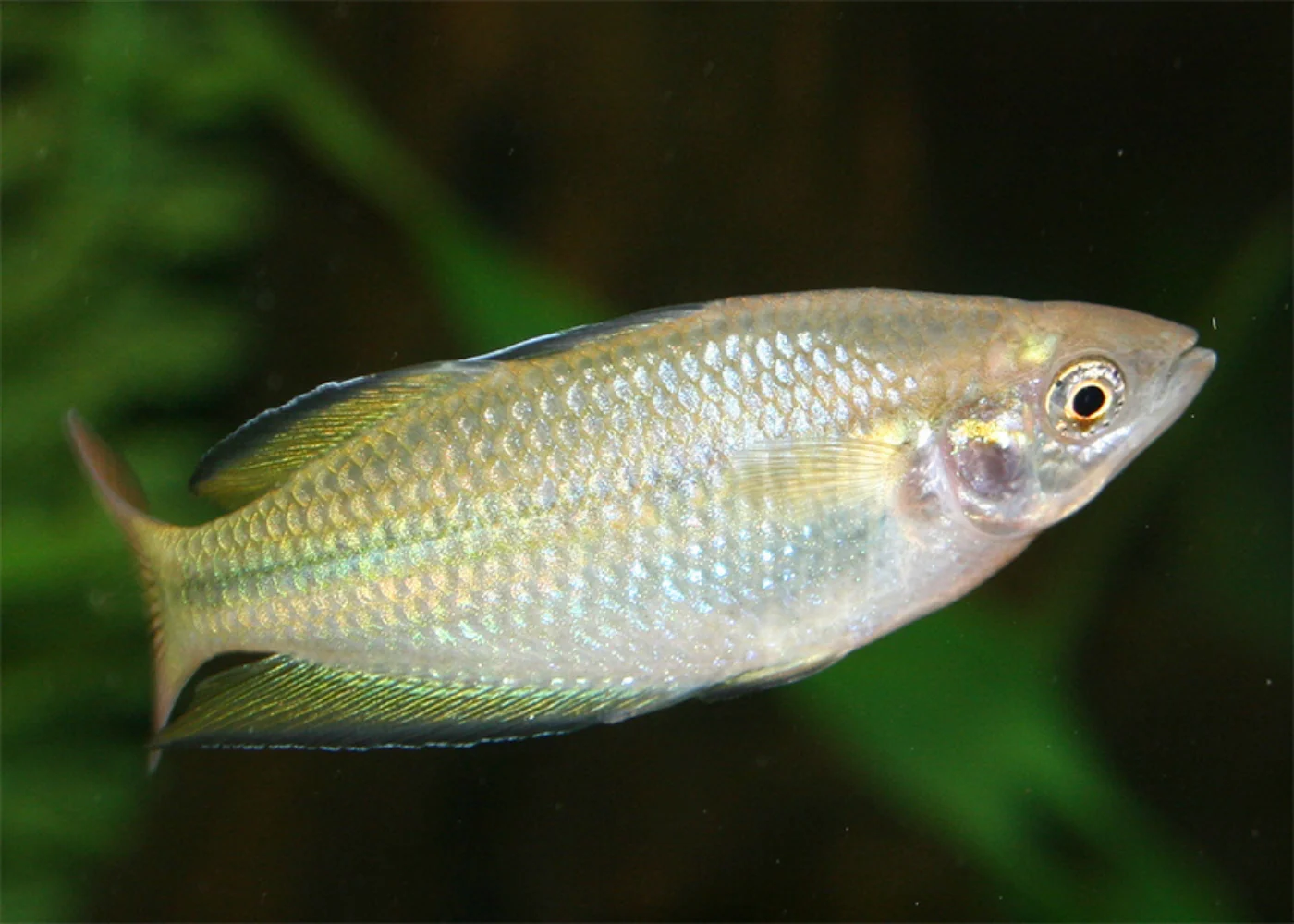
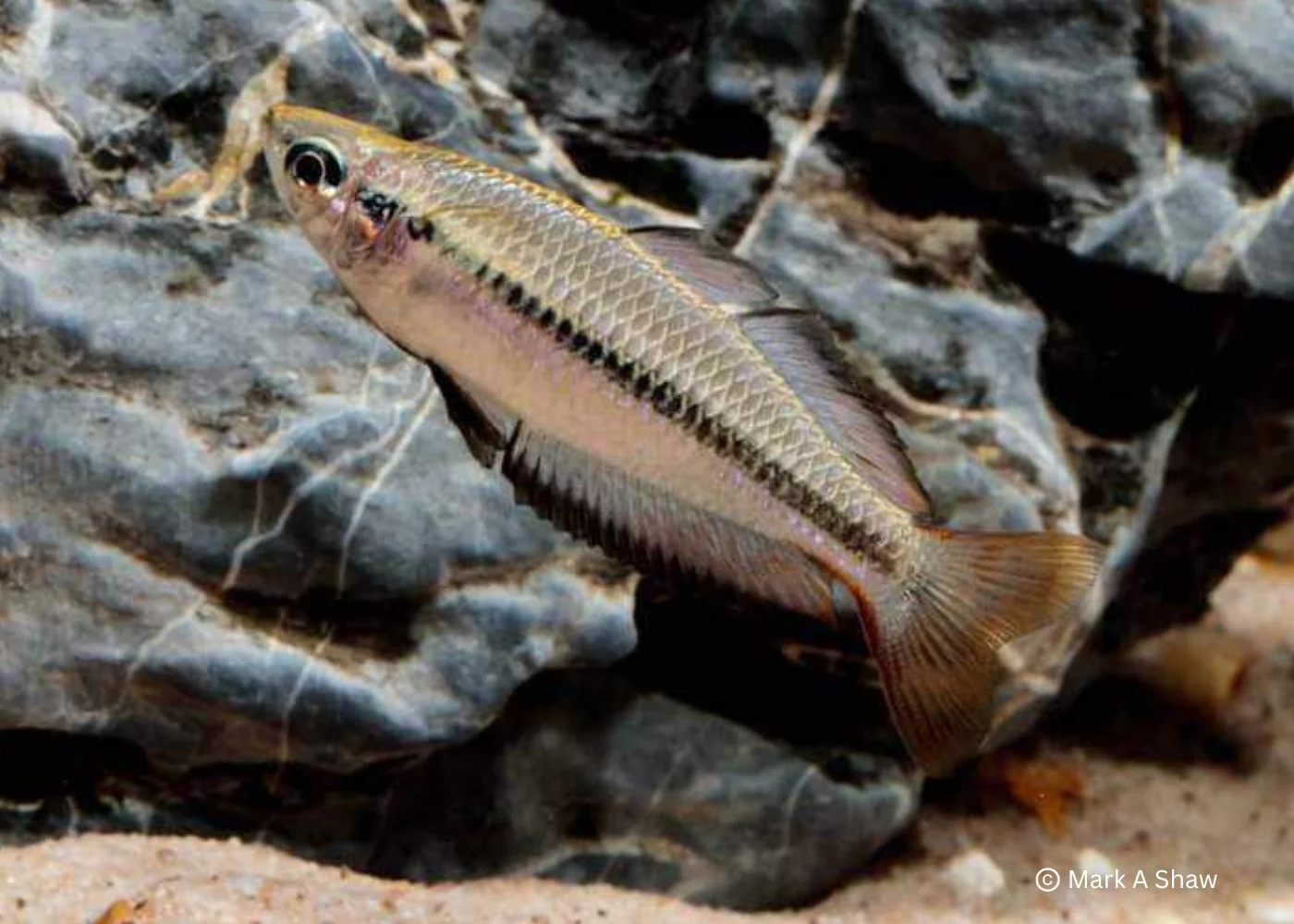
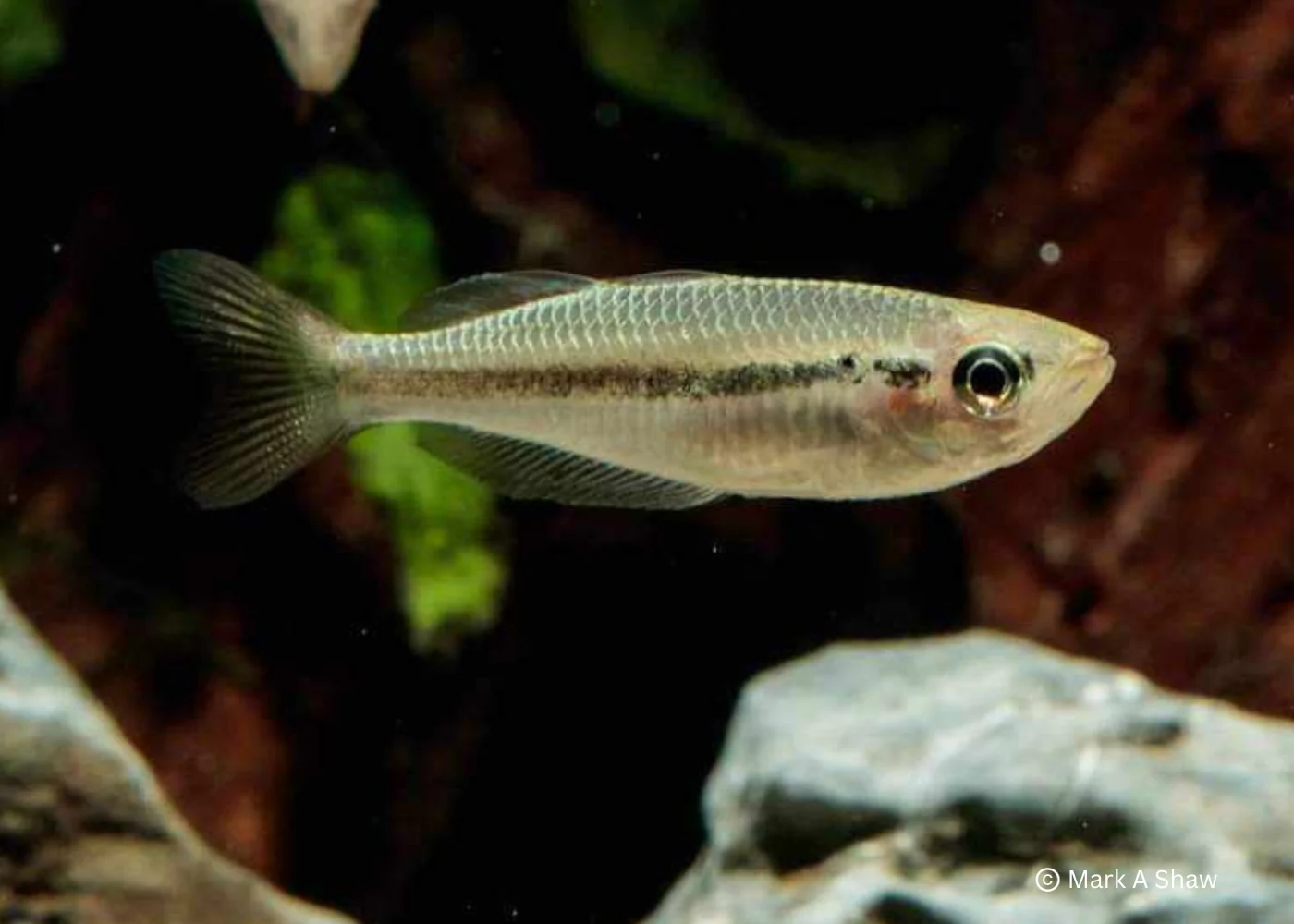
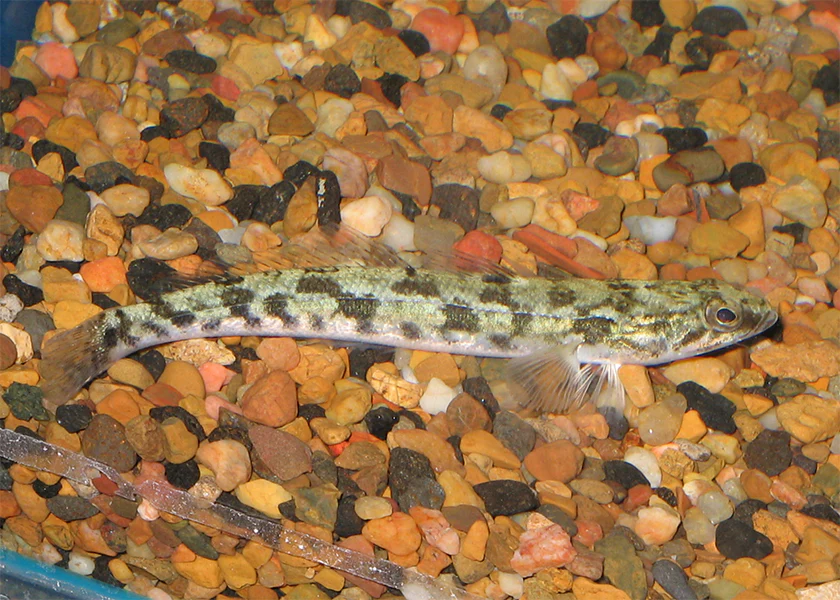
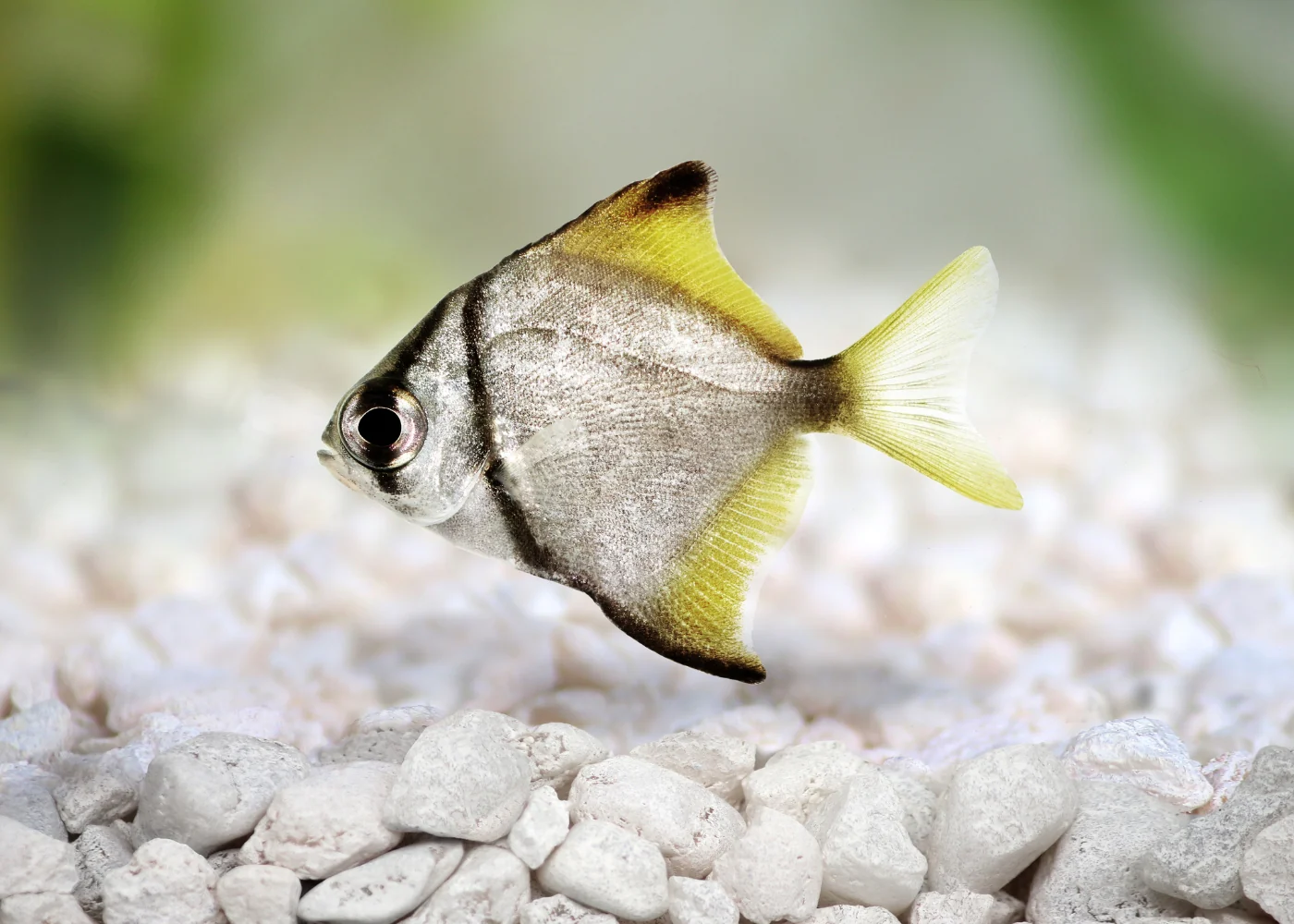
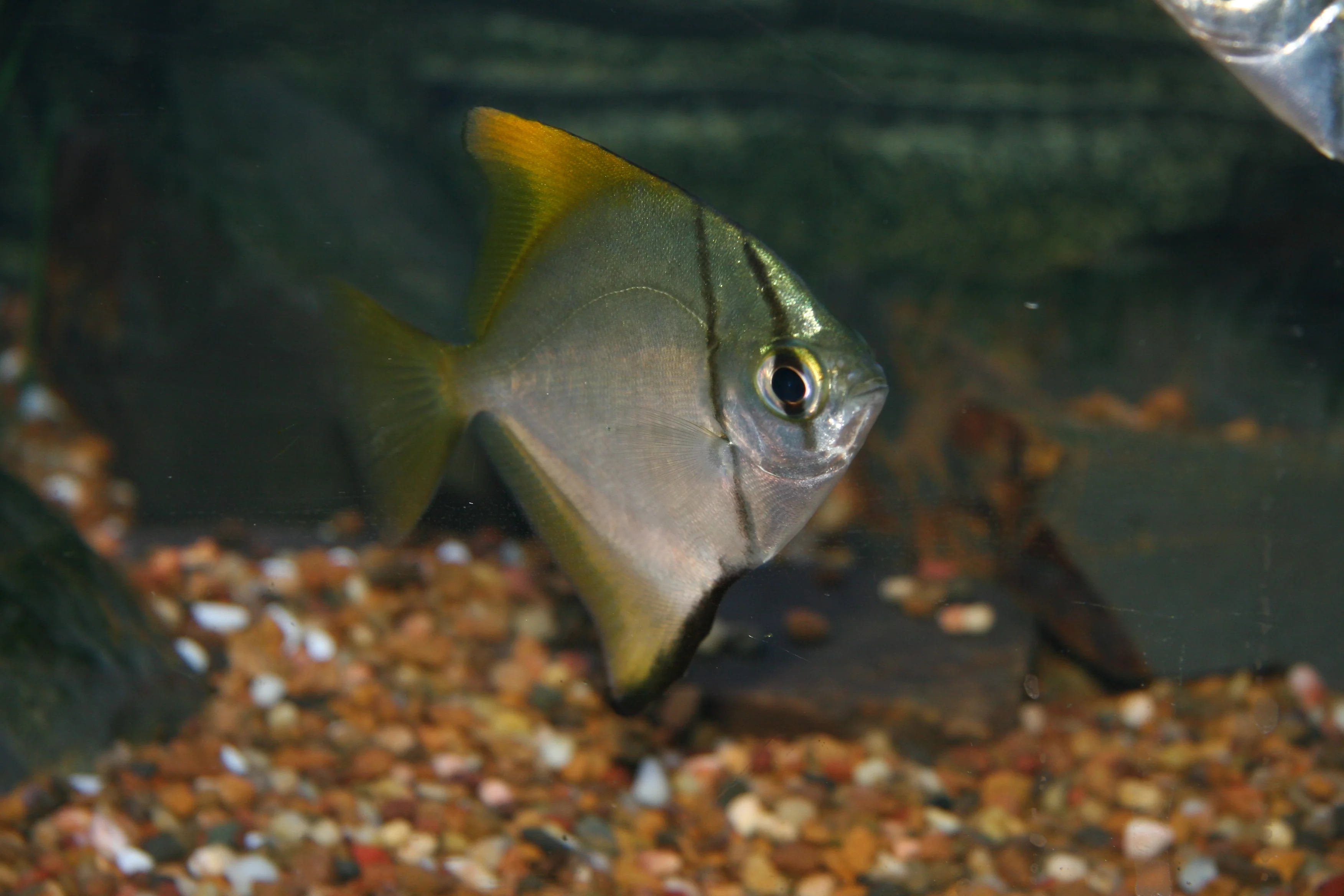
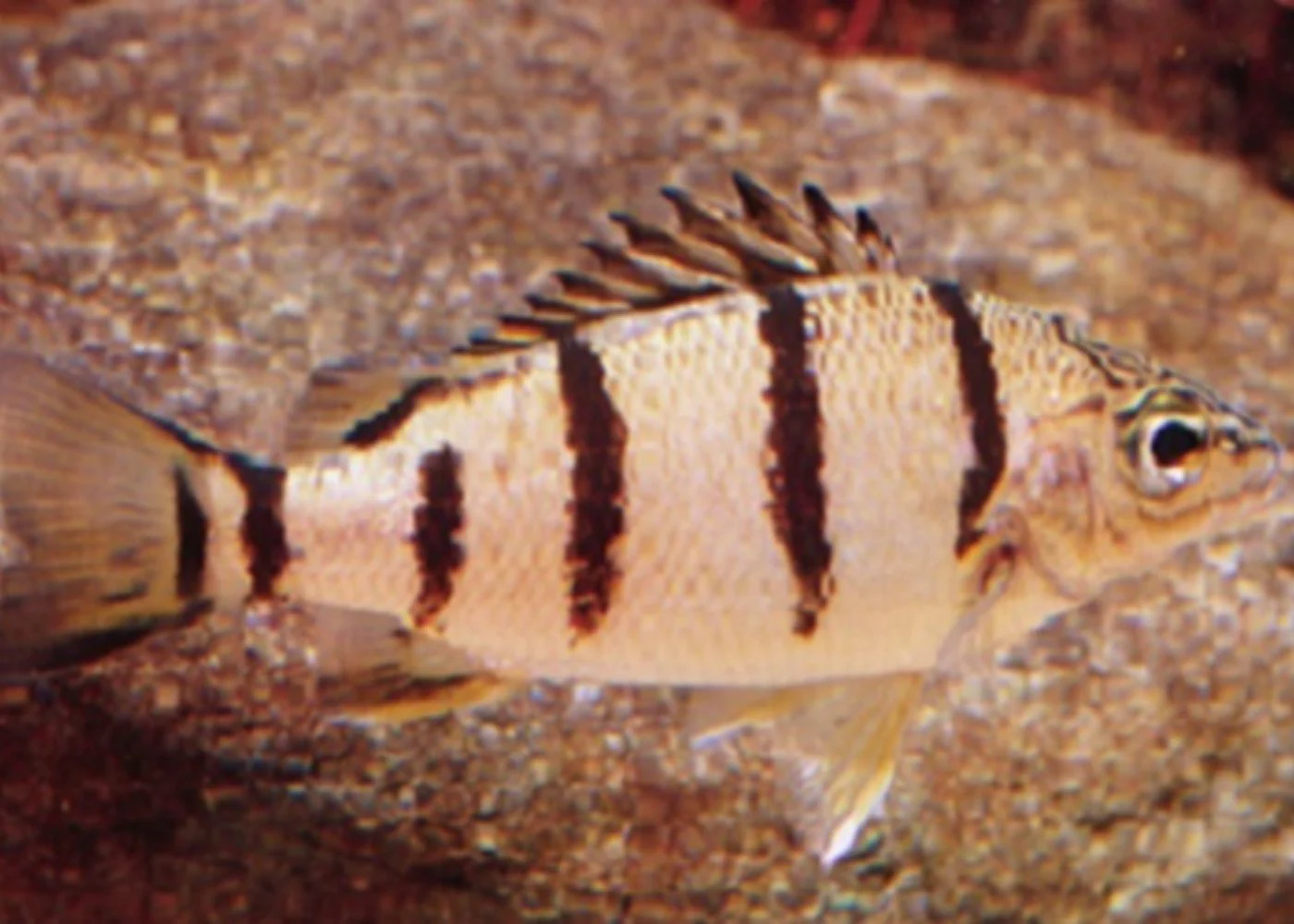
The Banded Grunter is a hardy and attractive Australian native fish, recognised for its bold vertical black bands set against a silver to golden body. Known for the distinctive grunting sound it can produce by grinding its teeth, this active species is an excellent choice for aquarists looking to keep native Australian fish.
Banded Grunters are adaptable, peaceful when kept with similarly sized fish, and thrive in spacious freshwater aquariums. Their striking appearance, curious personality, and ease of care make them a popular choice for both native fish displays and mixed-species aquariums.
Features of the Banded Grunter
-
Distinctive silver-gold body with bold vertical black bands
-
Native Australian freshwater species
-
Produces an audible "grunting" sound when handled or disturbed
-
Active, hardy, and easy to care for
-
Suitable for large freshwater community aquariums
-
Excellent choice for native Australian fish collections
Recommended Aquarium Size
A minimum aquarium size of 200 litres is recommended. Banded Grunters are active swimmers that appreciate open areas for cruising, along with rocks, driftwood, and structure to explore.
Larger aquariums provide more stable water conditions and allow them to be kept comfortably with other medium to large fish.
Tank Mate Compatibility
Banded Grunters are generally peaceful but opportunistic feeders and should be housed with fish of a similar size. Very small fish may be viewed as food.
Suitable tank mates include:
-
Australian Rainbowfish
-
Empire Gudgeons
-
Spangled Perch
-
Sleepy Cod
-
Saratoga
-
Silver Perch
-
Larger Catfish
-
Other peaceful Australian native fish
Avoid keeping them with tiny community fish or slow-moving species that may be outcompeted during feeding.
Feeding
Banded Grunters are omnivores with a healthy appetite and readily accept a wide variety of foods.
A balanced diet should include:
-
Quality sinking pellets
-
Native fish pellets
-
Frozen bloodworms
-
Blackworms
-
Prawns
-
Insect larvae
-
Earthworms
-
Occasional vegetable-based foods
Offering a varied diet will promote healthy growth, vibrant colouration, and long-term health.
Aquarium Setup
Filtration
A quality filtration system is essential to maintain excellent water quality. Banded Grunters are active feeders and benefit from clean, well-oxygenated water with moderate water movement.
Plants
Hardy aquatic plants can be included, although they should be positioned around the edges of the aquarium to leave plenty of open swimming space.
Decorations
Decorate the aquarium with driftwood, rocks, and caves to create natural shelter while maintaining open areas for swimming. Their curious nature means they enjoy exploring their surroundings.
Lighting
Moderate aquarium lighting works well and highlights the fish's striking banded pattern. Live plants and natural décor also benefit from appropriate lighting.
Substrate
Sand or fine gravel provides a natural appearance and is suitable for this species. Smooth substrates are recommended to complement a native-style aquarium.
Original: $75.00
-65%$75.00
$26.25Product Information
Product Information
Shipping & Returns
Shipping & Returns
Description
Banded Grunter
The Banded Grunter is a hardy and attractive Australian native fish, recognised for its bold vertical black bands set against a silver to golden body. Known for the distinctive grunting sound it can produce by grinding its teeth, this active species is an excellent choice for aquarists looking to keep native Australian fish.
Banded Grunters are adaptable, peaceful when kept with similarly sized fish, and thrive in spacious freshwater aquariums. Their striking appearance, curious personality, and ease of care make them a popular choice for both native fish displays and mixed-species aquariums.
Features of the Banded Grunter
-
Distinctive silver-gold body with bold vertical black bands
-
Native Australian freshwater species
-
Produces an audible "grunting" sound when handled or disturbed
-
Active, hardy, and easy to care for
-
Suitable for large freshwater community aquariums
-
Excellent choice for native Australian fish collections
Recommended Aquarium Size
A minimum aquarium size of 200 litres is recommended. Banded Grunters are active swimmers that appreciate open areas for cruising, along with rocks, driftwood, and structure to explore.
Larger aquariums provide more stable water conditions and allow them to be kept comfortably with other medium to large fish.
Tank Mate Compatibility
Banded Grunters are generally peaceful but opportunistic feeders and should be housed with fish of a similar size. Very small fish may be viewed as food.
Suitable tank mates include:
-
Australian Rainbowfish
-
Empire Gudgeons
-
Spangled Perch
-
Sleepy Cod
-
Saratoga
-
Silver Perch
-
Larger Catfish
-
Other peaceful Australian native fish
Avoid keeping them with tiny community fish or slow-moving species that may be outcompeted during feeding.
Feeding
Banded Grunters are omnivores with a healthy appetite and readily accept a wide variety of foods.
A balanced diet should include:
-
Quality sinking pellets
-
Native fish pellets
-
Frozen bloodworms
-
Blackworms
-
Prawns
-
Insect larvae
-
Earthworms
-
Occasional vegetable-based foods
Offering a varied diet will promote healthy growth, vibrant colouration, and long-term health.
Aquarium Setup
Filtration
A quality filtration system is essential to maintain excellent water quality. Banded Grunters are active feeders and benefit from clean, well-oxygenated water with moderate water movement.
Plants
Hardy aquatic plants can be included, although they should be positioned around the edges of the aquarium to leave plenty of open swimming space.
Decorations
Decorate the aquarium with driftwood, rocks, and caves to create natural shelter while maintaining open areas for swimming. Their curious nature means they enjoy exploring their surroundings.
Lighting
Moderate aquarium lighting works well and highlights the fish's striking banded pattern. Live plants and natural décor also benefit from appropriate lighting.
Substrate
Sand or fine gravel provides a natural appearance and is suitable for this species. Smooth substrates are recommended to complement a native-style aquarium.